Reduce exposed payment data
Use eligible provider-hosted or tokenized flows, least privilege, strong account security, and current PCI scope review.


Commerce risk operations
Fraud control is a layered decision system, not a single vendor switch.
The original article focused on Kount. Kount remains a current Equifax fraud product, but the CMS Max repository does not contain a maintained native Kount package. Any provider-specific implementation should be scoped and tested for the merchant.
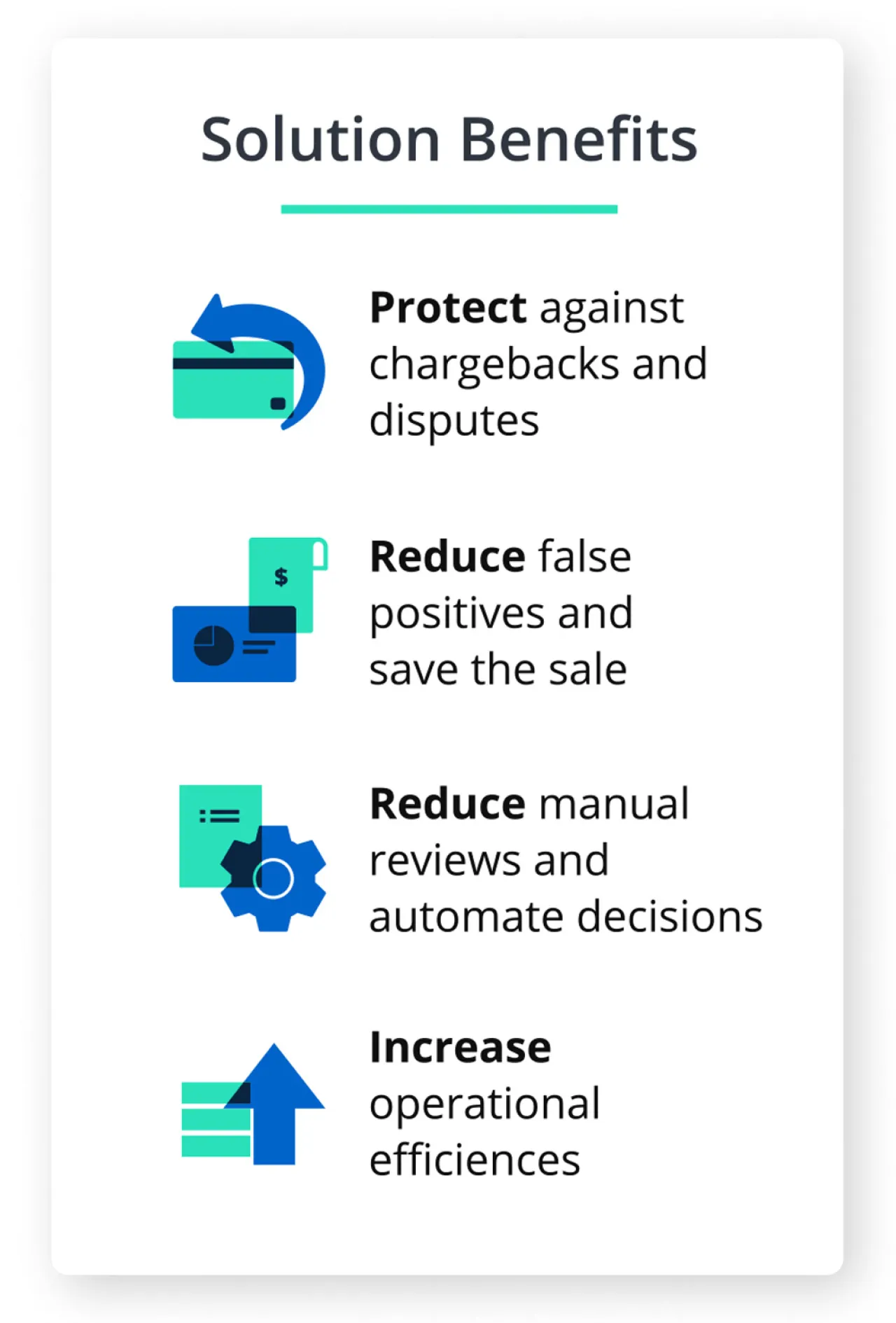
Decision frame
Use eligible provider-hosted or tokenized flows, least privilege, strong account security, and current PCI scope review.
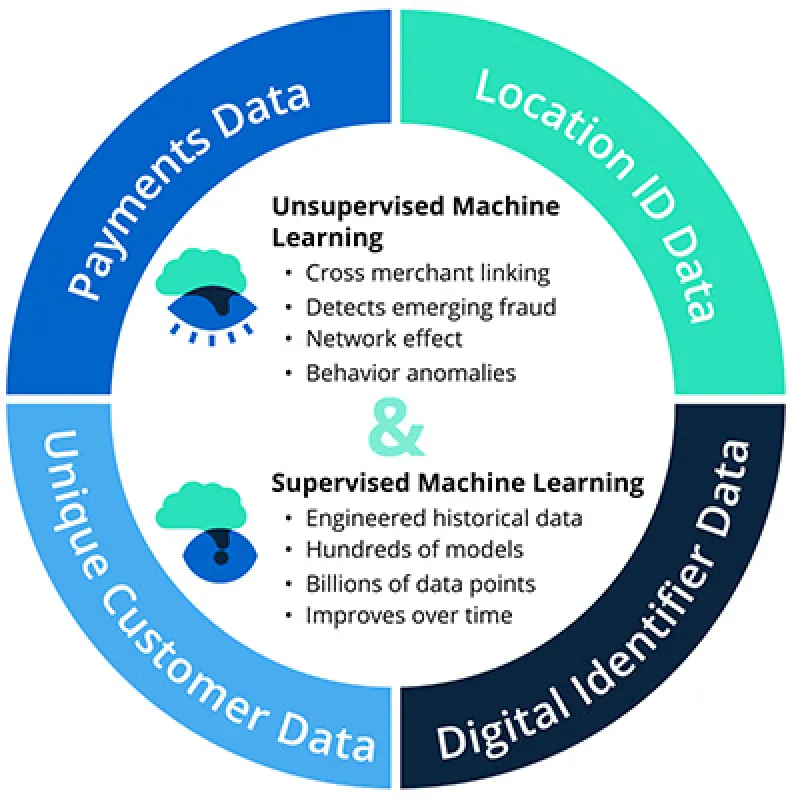
Consider payment result, velocity, identity, address, device, account history, basket, promotion, fulfillment, and provider risk output.
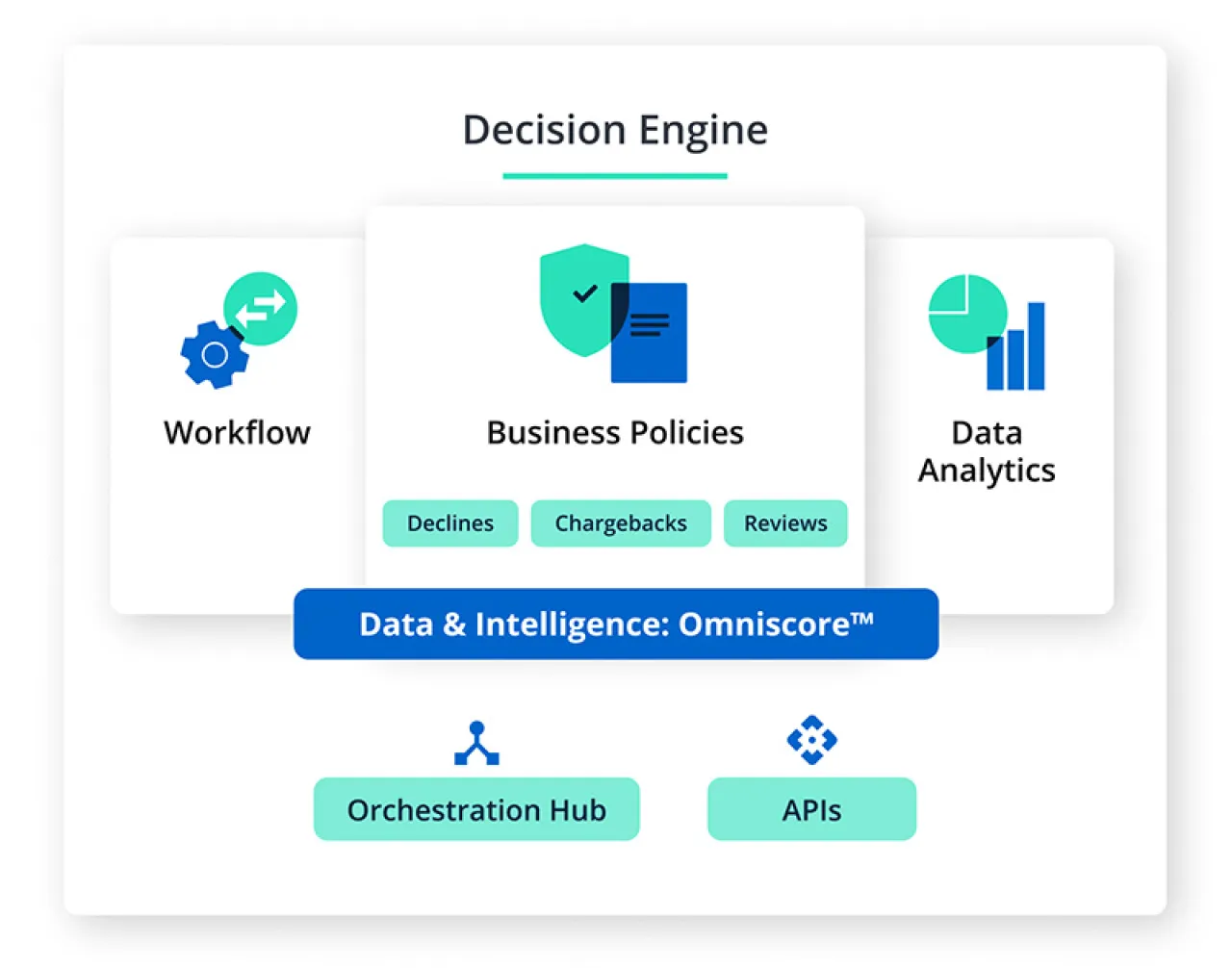
Define review queues, evidence, deadlines, escalation, release authority, customer communication, and audit records for ambiguous orders.
Platform and operating capability
Use strong administrator access, limited roles, protected credentials, customer account policy, and monitoring for unusual behavior.
Preserve cart, customer, address, product, price, discount, tax, shipping, payment, and order state for review.
Configure provider AVS, card verification, 3-D Secure, risk filters, velocity, device, and other eligible tools according to merchant policy.
Keep payment, fulfillment, and overall order state separate so suspicious orders can be held without corrupting the record.
Connect refunds, voids, chargebacks, customer communication, settlement, and accounting to the original transaction context.
Treat Kount or another specialist service as a provider-specific project unless a current native CMS Max path is verified.
Implementation workflow
Document fraud patterns, products, markets, order values, tenders, promotions, fulfillment speed, chargebacks, and acceptable risk.
Apply gateway and merchant controls, account security, velocity thresholds, review rules, fulfillment holds, and alert ownership.
Exercise approved, declined, challenged, duplicate, high-velocity, mismatched, account-takeover, refund, and manual-review scenarios.
Review queues, false positives, losses, disputes, provider changes, staff overrides, fulfillment releases, and customer impact.
Contain compromised accounts or credentials, preserve evidence, notify the right parties, reconcile orders, and improve controls.
Practical reference
Evidence and next steps
Frequently asked questions
No maintained native Kount package was found in the current core repository. Treat Kount work as a reviewed provider-specific implementation.
It should not without an accepted policy. Combine provider output with payment, order, identity, velocity, fulfillment, customer, and merchant context.
Use a documented fulfillment gate based on payment and risk state, review authority, product type, delivery speed, and merchant policy.
Measure approvals, reviews, declines, manual outcomes, customer friction, lost good orders, chargebacks, and policy changes together.
PCI DSS helps protect payment data and systems, but fraud prevention also requires identity, transaction, account, fulfillment, monitoring, and response controls.
Bring the gateway, merchant tools, products, markets, order patterns, chargebacks, fulfillment timing, review staff, support process, and incident owners.
The world's fastest and most SEO friendly website code.