Use field identifiers and query parameters to reduce repetitive typing without placing sensitive information in a URL.
Where query-string prefilling is enabled, a CMS Max form field can read a matching identifier from the page URL and use that value as its initial input.
Build the prefilled link
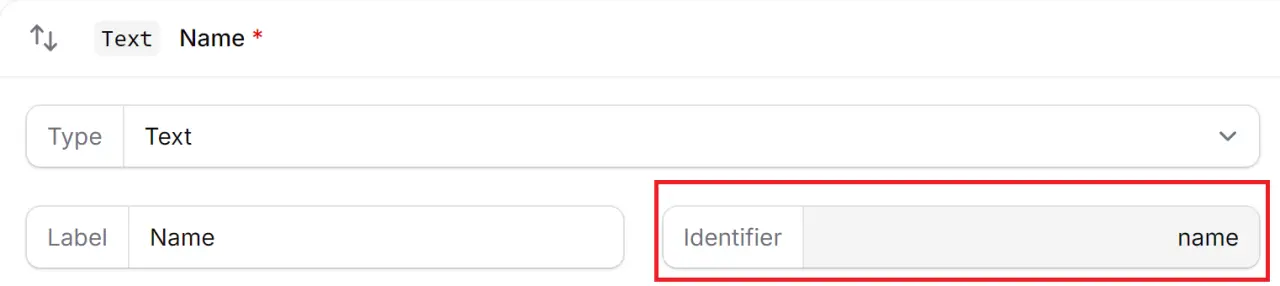
- 01Open the form fields. Find the field identifier used by the destination form.
- 02Add the query parameter. Append a question mark, the identifier, an equals sign, and a URL-encoded value.
- 03Test the result. For a field identifier of
name, test
on the published page.https://example.com/contact?name=Sam - 04Confirm submission behavior. Make sure the visitor can review or change the prefilled value before submitting.
Use query strings carefully
- Do not put passwords, payment details, health information, private customer data, or secrets in a URL.
- URL-encode spaces and special characters.
- Treat prefilled values as untrusted input and keep normal form validation enabled.
- Test the exact field identifier after form migrations or schema changes.