Lab data finds defects
Controlled runs help identify render blocking, image sizing, unused code, layout instability, long tasks, and other reproducible opportunities.


Performance retrospective
A perfect score is a snapshot. A high-performing platform is an operating discipline.
This article began in 2015 around a set of excellent PageSpeed screenshots. Today, the useful lesson is broader: evaluate lab diagnostics and real-user Core Web Vitals alongside accessibility, content, resilience, security, and conversion.

Decision frame
Controlled runs help identify render blocking, image sizing, unused code, layout instability, long tasks, and other reproducible opportunities.
Core Web Vitals summarize real Chrome user experience over a rolling period and can differ by device, network, geography, page type, and traffic.
Fast pages still need useful content, clear journeys, accessible controls, dependable forms, accurate products, secure operations, and measurable conversion.
Platform and operating capability
CMS Max maintains the application and shared platform so each site team can focus on content, experience, data, and business workflows.
Use intentional image ratios, dimensions, loading behavior, and modern delivery instead of placing oversized assets without context.
Build pages with semantic headings, useful internal links, stable layouts, and content designed for the actual visitor task.
Monitor metadata, links, redirects, crawl settings, sitemaps, and page quality with SEO Max workflows.
Treat keyboard access, labels, focus, contrast, text containment, reduced motion, and error handling as release requirements.
Test representative desktop and mobile states, public rendering, integrations, forms, checkout, and key journeys after every meaningful change.
Implementation workflow
Record representative URLs, lab runs, available field data, conversion outcomes, errors, accessibility findings, and third-party dependencies.
Fix the issues with the largest user and business impact instead of chasing a score for its own sake.
Optimize critical content, dimensions, loading, code, fonts, caching, interaction, and third-party behavior within the real design.
Repeat controlled tests and exercise the page manually across mobile, desktop, keyboard, slow network, and important workflows.
Track field data, uptime, errors, conversion, search, integrations, and regression signals after release.
Practical reference

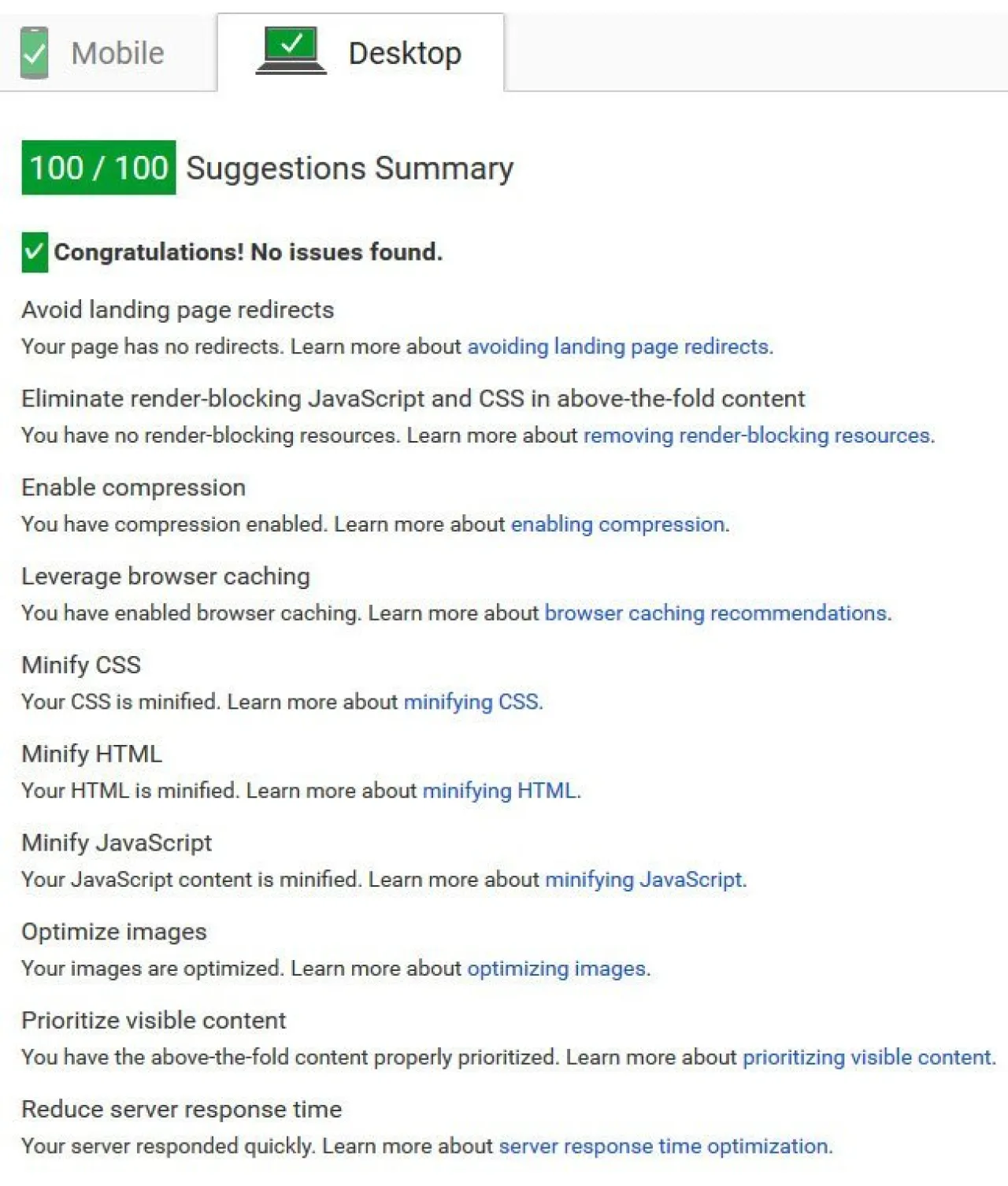
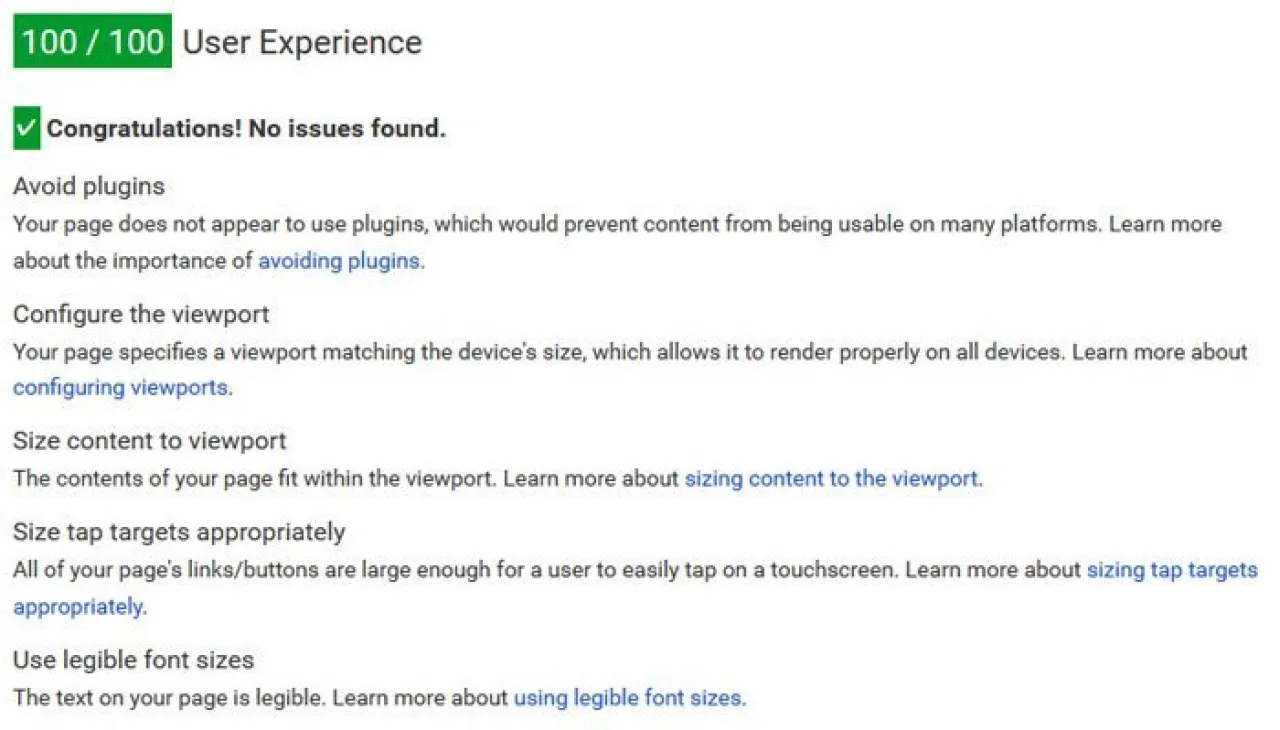
Evidence and next steps
Frequently asked questions
No. It is one lab result under specific conditions. Use it with field data, manual testing, errors, and business outcomes.
No. Performance and accessibility overlap in places, but each requires its own automated and human verification.
Devices, viewport, CPU, network, layout, media, and interaction behavior differ. Test the actual experiences separately.
Yes. Tags, chat, video, ads, consent, maps, and other services can add network, CPU, layout, and privacy costs. Govern each one.
It needs ongoing monitoring because content, code, integrations, traffic, browsers, and user devices continue to change.
CMS Max can connect performance, accessibility, content, SEO, integrations, and conversion into one measurable release process.
The world's fastest and most SEO friendly website code.