CRM and business operations / Custom API planning

Connect CMS Max Customer Journeys to Zoho CRM Workflows

Move qualified website and commerce data into the right CRM process with explicit ownership, secure OAuth, field mapping, retries, and closed-loop outcomes.

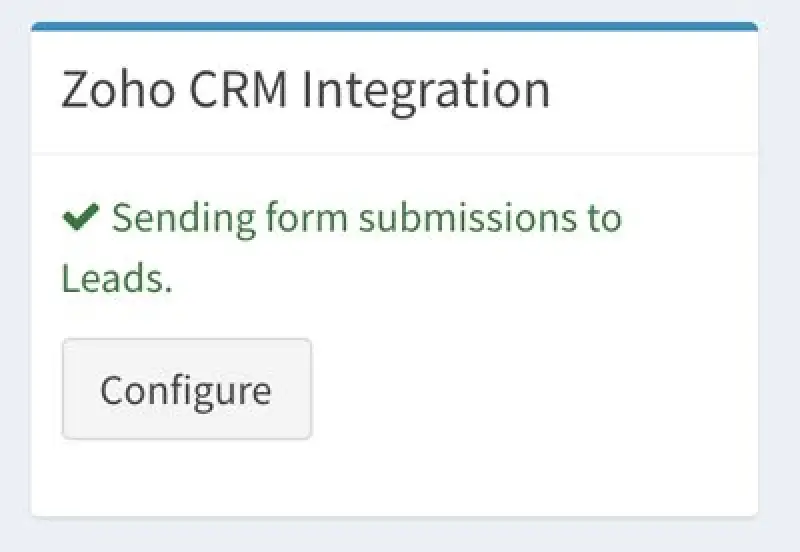
CMS Max can scope a current Zoho CRM API integration around an accepted business workflow. The present repository has no registered Zoho plugin, OAuth client, webhook, record mapper, or tested sync, so older page-specific setup instructions should not be treated as a native connector.

  • Custom API integration
  • Lead and customer field mapping
  • No prebuilt CRM sync claim
  • Governed launch acceptance
CRM operationsCMS Max intent to Zoho business record
Custom API planning
Zoho CRM integration planning for CMS Max websites
CRM and business operationsZoho + CMS MaxCustom API planning
Website ownerCMS Max
Provider roleCRM workflow
Support typeCustom API
Release gateAcceptance
01Customer acts on the siteCMS Max validates the form or commerce event
02Record is mappedAccepted fields and ownership define the CRM action
03Zoho runs the workflowProvider permissions and automation take over
04Outcome returnsSales status improves website and campaign decisions

What the integration does

A custom CRM connection built around the exact business process.

Zoho CRM exposes current REST APIs for business modules, but the integration must be designed for the merchant organization, modules, fields, permissions, deduplication, and source-of-truth rules. Repository review confirms that CMS Max can design a provider API, webhook, embed, or governed handoff around an accepted business workflow. The current repository does not contain a registered native connector or tested synchronization path for this provider.

01 / Attract

Capture intentional records

Use CMS Max forms, Maxforms, accounts, checkout, and service pages to collect only the data required for the approved sales or service process.

02 / Connect

Map Zoho modules safely

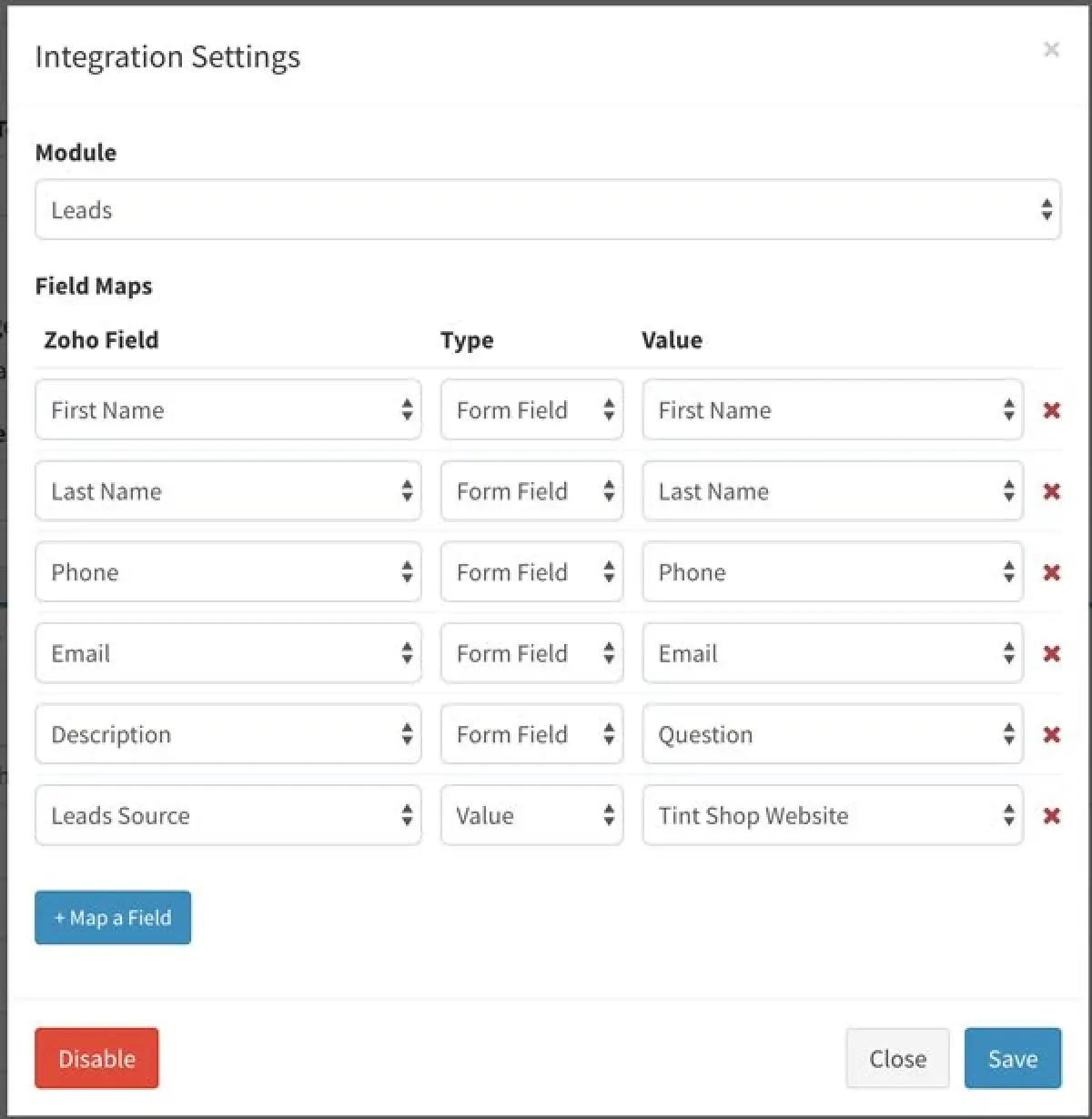
Define Leads, Contacts, Accounts, Deals, Products, Sales Orders, or custom-module actions with current OAuth scopes, IDs, fields, ownership, and validation.

03 / Prove

Close the operating loop

Return accepted statuses, assignments, appointments, deals, customer service, or revenue outcomes only where the data contract requires them.

Operating boundary

Define every module, field, direction, and authoritative system.

A credible Zoho program separates CMS Max website responsibilities from Zoho CRM modules, records, workflows, permissions, OAuth, analytics, and provider-side business processes. It also names the team responsible for consent, data quality, exceptions, and performance.

Zoho and CMS Max responsibility contract.
AreaPrimary ownerSupported contract
Public website and search experienceCMS MaxOwns crawlable pages, content, navigation, metadata, structured data, accessibility, performance, forms, products, and conversion paths relevant to qualified leads, customer continuity, and sales operations.
Zoho CRM API integrationScoped CMS Max projectCan implement current OAuth and REST API calls, webhooks, or middleware after discovery. No prebuilt native Zoho connector exists in the inspected release.
Leads, contacts, accounts, deals, products, orders, activities, and workflow outcomesZoho accountOwns provider-side configuration, permissions, processing, reporting, billing, limits, and behavior for leads, contacts, accounts, deals, products, orders, activities, and workflow outcomes.
Consent, privacy, and disclosuresMerchant or site ownerApproves the lawful basis, notices, consent behavior, retention, suppression, and customer communication required for CRM record creation and business-process synchronization.
Monitoring and reconciliationJoint operating teamTests releases, watches failures and data gaps, reconciles authoritative records, and responds when the website and Zoho disagree.

Connected workflow

Move records through a secure and observable CRM contract.

The implementation should follow the customer journey and data contract from first visit through a deduplicated, assigned, and dispositioned CRM record, with evidence at every handoff.

01

Discover

Define audiences, page intent, leads, contacts, accounts, deals, products, orders, activities, and workflow outcomes, account access, commercial constraints, privacy rules, measures, and owners before selecting the connection method.

02

Design

Map CMS Max fields, content, calls to action, identifiers, consent states, failure behavior, provider destinations, and the authoritative source for each record.

03

Configure

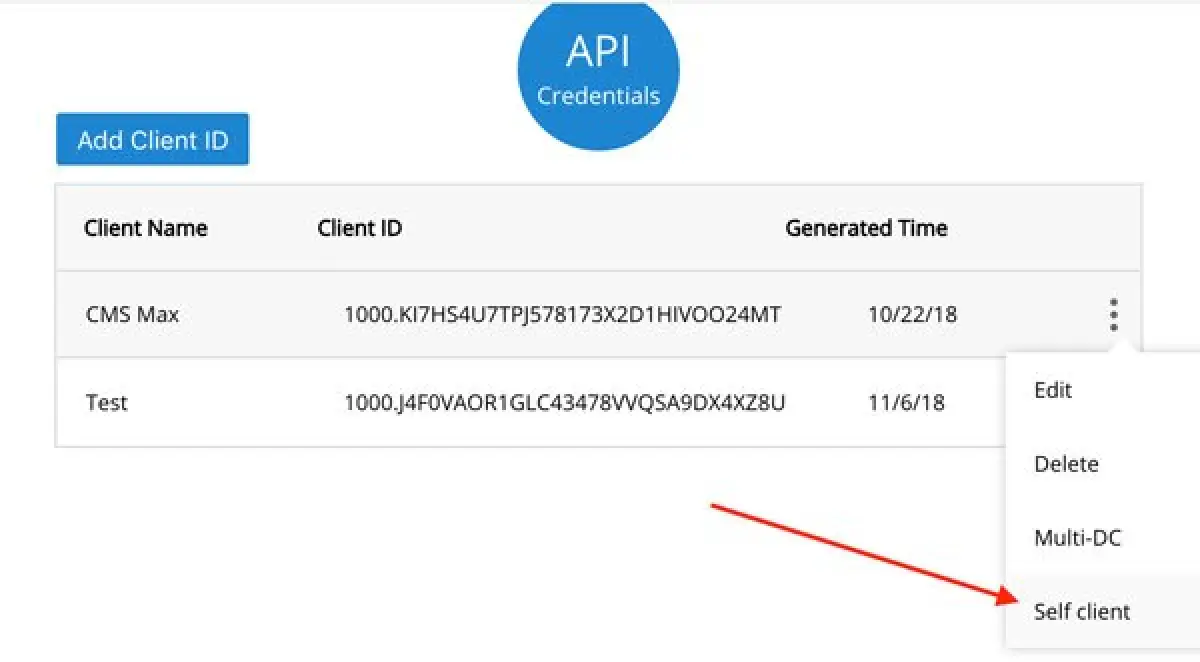
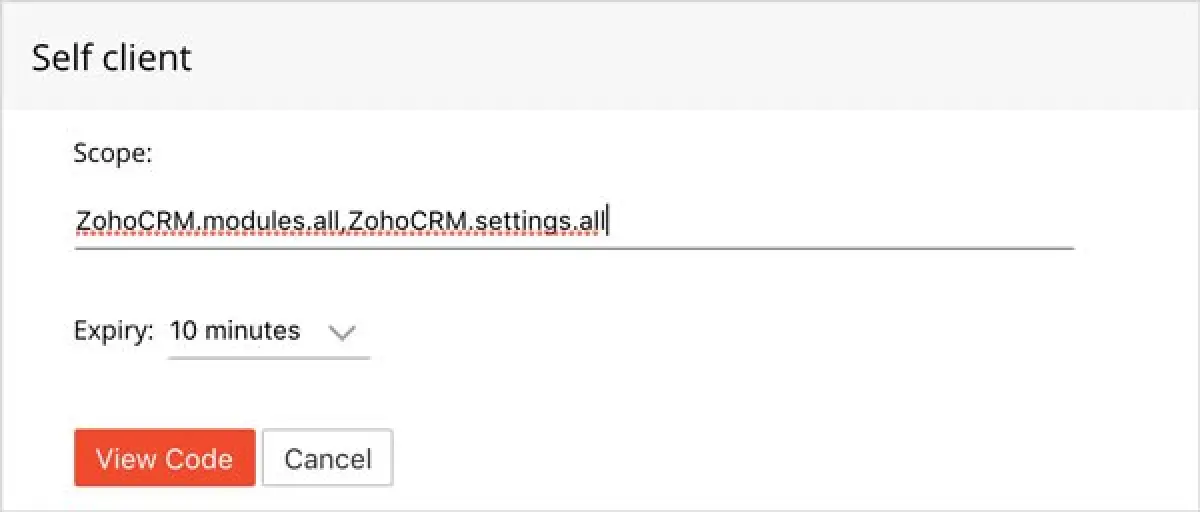
Create the approved Zoho client and OAuth scopes, map organizations and modules, define upsert keys, field validation, owners, retries, webhooks, sandbox tests, and token rotation.

04

Accept

Test representative desktop and mobile journeys, accessibility, consent, duplicate activity, missing data, provider errors, analytics, support, and rollback.

05

Operate

Monitor authentication, API limits, record errors, duplicates, field drift, assignment, response time, deal stages, revenue, support cases, and reconciliation, provider changes, customer complaints, data quality, and business outcomes; revise the program only through controlled releases.

High-value applications

Connect website intent to the right Zoho business process.

A useful integration starts with one measurable workflow and expands only after its ownership, data quality, and operating outcomes are proven.

Lead intake

Create or update qualified leads from CMS Max service, quote, consultation, or campaign forms with source and consent context.

Customer and account continuity

Map known customers, organizations, contacts, and account ownership without creating duplicates or overwriting authoritative fields.

Commerce operations

Scope products, customers, orders, invoices, or fulfillment references only when module ownership and financial reconciliation are explicit.

Closed-loop marketing

Return accepted lead, deal, or revenue outcomes to reporting without exposing unnecessary CRM or customer data.

Governance and trust

Protect OAuth credentials and customer records across systems.

The connection can affect customer data, marketing decisions, brand promises, and regulatory obligations. Treat Zoho configuration as production behavior, not a one-time code paste.

01

Data minimization

Send only the fields and events required for the accepted Zoho workflow. Document recipients, purpose, retention, deletion, and access.

02

Credential control

Keep API keys, secrets, tokens, embed code, account IDs, and administrative access out of public content, analytics, repositories, and support screenshots.

03

Consent integrity

Document which form, account, order, and customer fields enter Zoho; preserve consent and suppression; limit OAuth scopes; and approve retention, deletion, access, and breach response.

04

Change management

Retest after CMS Max theme, checkout, form, domain, consent, provider account, API, tag, or campaign changes. Keep a rollback path and named owner.

Search and conversion continuity

Connect search demand to a measurable sales process.

Zoho does not create the public search experience. CMS Max earns and qualifies the visit, then the accepted CRM workflow helps the business respond, attribute outcomes, and improve content.

01

Search intent

Build service, product, industry, location, comparison, solution, and customer-question pages aligned to real sales processes.

02

Content depth

Publish expertise, proof, use cases, process, pricing context, FAQs, resources, team, and clear qualification before the CRM handoff.

03

Conversion continuity

Use focused forms, preserve source and consent, show response expectations, and keep confirmation and scheduling paths coherent.

04

Measurement discipline

Compare search and campaign sessions with qualified records, response time, meetings, opportunities, wins, revenue, lost reasons, and customer value.

Implementation sequence

Test authentication, records, duplicates, and outcomes end to end.

A saved setting or working link is not enough. Release Zoho only after the full website, provider, data, privacy, analytics, and operating lifecycle has passed.

Scope

Confirm account plan, permissions, leads, contacts, accounts, deals, products, orders, activities, and workflow outcomes, business rules, audiences, destinations, consent, owners, support, and measurable outcomes.

Build

Implement current OAuth and API behavior with least privilege, encrypted secrets, module and field mapping, validation, upserts, retries, logs, alerts, rate-limit handling, and rollback.

Accept

Test token issuance and refresh, valid and invalid records, duplicates, owners, custom fields, limits, timeouts, retries, webhooks, deletions, opt-outs, and closed-loop outcomes.

Release

Start with controlled traffic, verify live evidence, watch token failures, API limits, rejected fields, duplicate records, wrong owners, sync conflicts, lead loss, response time, conversion, and Zoho API changes, and keep a documented disable or rollback procedure.

Implementation references

Review the platform and provider evidence.

Provider products and requirements change. These references support discovery; the production implementation and acceptance evidence remain authoritative for each CMS Max site.

Zoho FAQ

Questions teams ask before they connect.

Final scope depends on account configuration, customer journeys, data policy, connected systems, operational ownership, and acceptance criteria.

Is Zoho a native CMS Max integration?

No native Zoho connector was found in the current CMS Max repository. Zoho CRM requires a custom project using current OAuth, API scopes, module and field mapping, error handling, and acceptance.

What does CMS Max manage in this workflow?

CMS Max manages the public website, search-facing content, navigation, page experience, forms or commerce journeys used in scope, and the governed connection point. Zoho remains responsible for zoho crm modules, records, workflows, permissions, oauth, analytics, and provider-side business processes.

What should we prepare before connecting Zoho?

Prepare the provider account, administrator and technical contacts, target audiences, leads, contacts, accounts, deals, products, orders, activities, and workflow outcomes, required fields, consent requirements, existing tags or embeds, test records, analytics plan, support path, and success measures.

Does this automatically synchronize leads, contacts, accounts, deals, products, orders, activities, and workflow outcomes?

No. Leads, contacts, accounts, deals, products, orders, activities, and outcomes are not synchronized automatically. The project must define each record action, direction, key, owner, and conflict rule.

How should privacy and consent be handled?

Document the data sent to Zoho, its purpose, lawful basis, customer notices, consent state, retention, deletion, access, suppression, and regional requirements. Legal approval remains the site owner's responsibility.

What must pass before launch?

Test valid and invalid journeys, duplicate actions, missing fields, mobile and keyboard use, consent states, provider errors, analytics, authoritative records, support, monitoring, and rollback with representative production-like data.

Connect with confidence

Build the CRM connection around the business, not the logo.

Bring the Zoho account, target audiences, leads, contacts, accounts, deals, products, orders, activities, and workflow outcomes, current website journey, required fields, consent and privacy rules, provider documentation, analytics, test cases, support owners, and success measures. CMS Max will define the supported contract and acceptance plan.

Zoho is a trademark of its respective owner. CMS Max scope is described on this page and may differ from the provider's complete product offering.

Building Relationships with Web Developers and Marketing Agencies that want better results

The world's fastest and most SEO friendly website code.