

Exact match is not a shortcut
Google's ranking systems are designed not to over-reward domains created mainly to match a query.
Domain strategy and SEO
A domain can describe the business. It cannot replace the business behind it.
Google lists words in domain names as one of many relevance factors and also maintains an exact-match domain system designed to prevent too much ranking credit. A useful domain is memorable, credible, durable, easy to communicate, and broad enough for the organization to evolve.
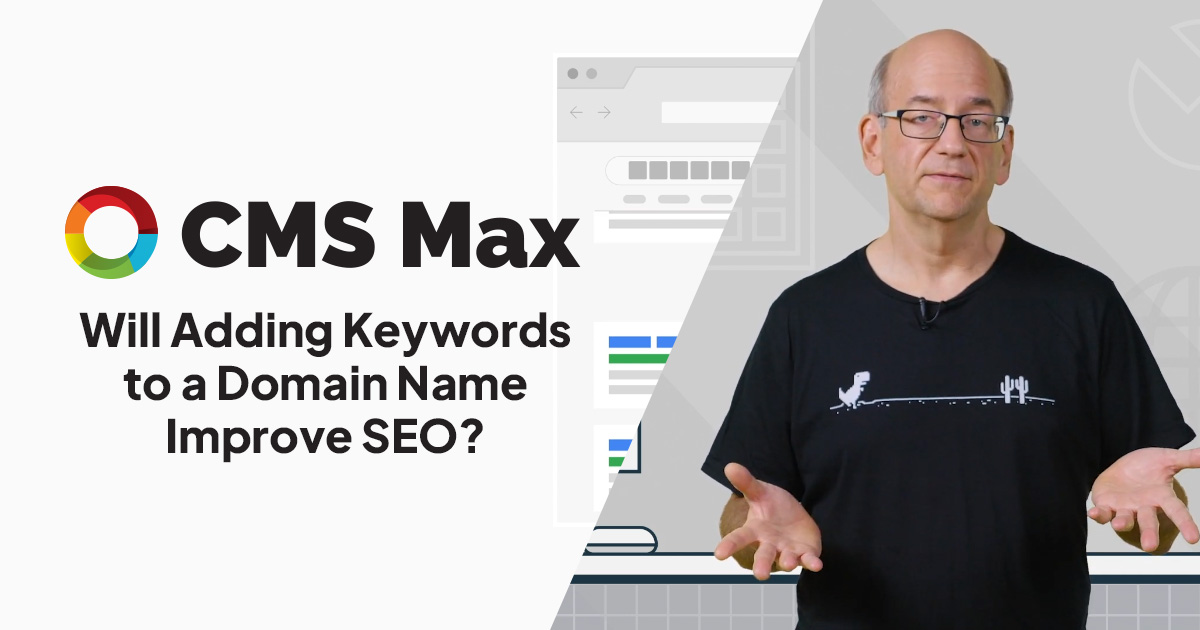
Decision frame
Google's ranking systems are designed not to over-reward domains created mainly to match a query.
Favor a name that can be heard, typed, shared, printed, pronounced, and recognized without unnecessary punctuation or ambiguity.
Avoid a name so narrow that a new product, location, audience, or business model forces another expensive migration.
Practical controls
Check whether the name reflects the organization, audience, tone, differentiation, and intended long-term position.
Test spelling, pronunciation, recall, mobile typing, visual ambiguity, abbreviations, and how it sounds in conversation.
Review relevant trademarks, business names, regulated terms, and counsel requirements before committing.
Keep the registration, DNS, renewal, access, recovery, privacy, and change history under accountable organizational control.
Review email domains, social handles, listings, ads, printed material, apps, feeds, analytics, and integrations.
If changing an established domain, inventory every URL and dependency, preserve the old domain, and operate redirects and monitoring.
Implementation workflow
Document the audience, offer, geography, future growth, brand traits, regulated constraints, and required channels.
Create name options that are distinctive, understandable, available, and not dependent on keyword repetition.
Review trademarks, pronunciation, spelling, confusion, history, search results, social use, email use, and stakeholder feedback.
Register the accepted name under organizational ownership with protected access, renewal, recovery, and DNS governance.
Create useful content, clear architecture, strong technical delivery, trustworthy signals, and ongoing demand around the brand.
Practical reference
Current evidence
Frequently asked questions
No. Google treats words in domains as one of many factors and limits excessive credit for exact-match domains.
It can, when that improves clarity, but the name should also be distinctive, memorable, legally reviewable, and flexible enough for growth.
Not automatically. Clarity, pronunciation, spelling, trust, distinctiveness, ownership, and long-term fit matter more than length alone.
Yes, but the migration affects URLs, search, links, email, analytics, listings, campaigns, printed assets, and customer recognition. Plan it carefully.
CMS Max can help evaluate the website architecture, domain migration, redirects, SEO controls, content, forms, commerce, and measurement around the decision.
your next platform and the growing journey
Tell us what your customers need, how your team operates, and where the business is going. We will help map the right CMS Max foundation.
Copyright © CMS Max. All Rights Reserved | Terms/Privacy Policy
