

Minimize card-data handling
Use the provider-supported collection and tokenization pattern, transmit only necessary data, and do not store prohibited authentication data.
Payment security and operations
No provider name or checkout badge can make payment risk disappear.
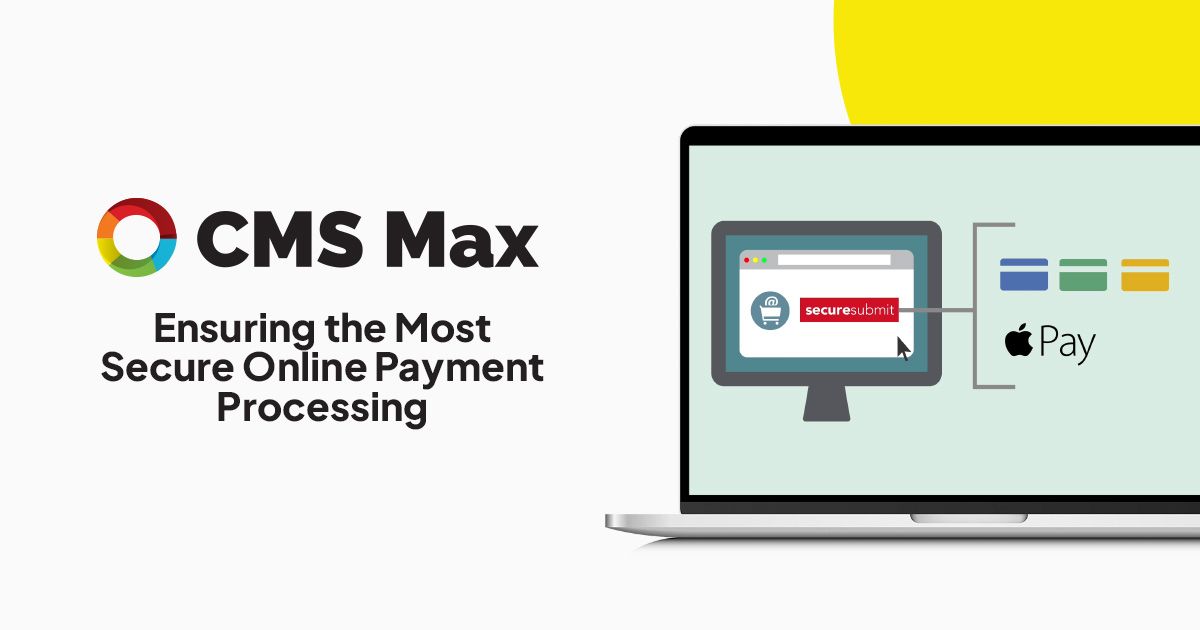
A trustworthy eCommerce payment path combines an approved provider account, hosted or tokenized card handling, least-privilege access, secure transport, fraud controls, complete lifecycle testing, monitoring, reconciliation, and a response plan. The exact architecture and PCI responsibilities must be confirmed for the merchant and integration in production.
Decision frame
Use the provider-supported collection and tokenization pattern, transmit only necessary data, and do not store prohibited authentication data.
A successful authorization is not enough. Prove declines, retries, duplicate prevention, capture, void, refund, webhook, dispute, and settlement behavior.
Name who controls the merchant account, credentials, fraud settings, PCI work, support, reconciliation, incidents, and release acceptance.
Practical controls
Confirm the approved gateway or processor, integration method, environments, token behavior, supported payment methods, limits, and support path.
Complete the merchant's applicable PCI DSS validation and verify the implemented payment page matches the integration method being assessed.
Protect administrator and provider access with strong authentication, least privilege, credential rotation, audit trails, and offboarding.
Tune address, card verification, 3-D Secure or equivalent authentication, velocity, device, amount, geography, and manual-review rules to the business.
Use idempotency, durable order references, signed or verified events, status transitions, logs, retries, and safe recovery from interrupted requests.
Alert on error rates, webhook failures, unusual declines, reconciliation differences, credential changes, disputes, and provider incidents.
Implementation workflow
Confirm the legal merchant, provider product, account status, currencies, countries, payment methods, order flow, fulfillment, refund policy, and owners.
Map browser, CMS Max, provider, webhook, order, fulfillment, accounting, support, and settlement responsibilities with the minimum necessary data.
Set environments, credentials, domains, webhooks, fraud controls, roles, notifications, logs, and provider settings under change control.
Exercise success, decline, timeout, duplicate, authentication, capture, void, partial and full refund, dispute, settlement, and recovery paths.
Reconcile orders to provider records and deposits, monitor exceptions, review access and controls, and maintain a current incident runbook.
Practical reference
Current evidence
Frequently asked questions
That conclusion cannot be made from a brand name alone. Security depends on the specific product, integration method, account configuration, merchant controls, implementation, monitoring, and current evidence.
No. It can reduce sensitive-data exposure and scope, but the merchant must determine and complete the applicable PCI DSS responsibilities for the implemented environment.
No responsible implementation should promise that. Use resilience, monitoring, recovery, fraud controls, support procedures, and clear customer communication.
Compare CMS Max orders with provider payment states, refunds, disputes, fees, and settlement deposits on an accepted schedule.
CMS Max can map the payment lifecycle, define ownership, implement the approved provider path, test failure states, and establish monitoring and reconciliation before launch.
your next platform and the growing journey
Tell us what your customers need, how your team operates, and where the business is going. We will help map the right CMS Max foundation.
Copyright © CMS Max. All Rights Reserved | Terms/Privacy Policy
